57% of companies regret at least one software purchase. And when you think about it, it’s no surprise.
In fast-moving digital environments, decisions about tools are often made under pressure; a team needs something now or leadership signs off on an annual license without full visibility into how (or if) the tool will actually be used.
The unfortunate result is rapid software investment regret, when businesses realise the tools they bought don’t deliver the expected ROI. However, this regret isn’t just about wasted budget; it’s about lost time, fragmented data, and missed opportunities for smarter investment.
Fortunately, it’s also entirely preventable. Let’s explore what causes software regret, and how to stop it before it starts.
What Causes Business Software Investment Regret?
Most software regret starts with good intentions: teams want to work smarter, move faster, and solve pain points with the right tools. But without a structured approach to evaluating, adopting, and managing software, those decisions can easily backfire.
Here are the most common causes:
1. Lack of visibility
Many businesses don’t have a clear record of what’s been purchased, who’s using it, or how much it costs. Without this visibility, it’s almost impossible to track software ROI, or even notice when subscriptions go unused.
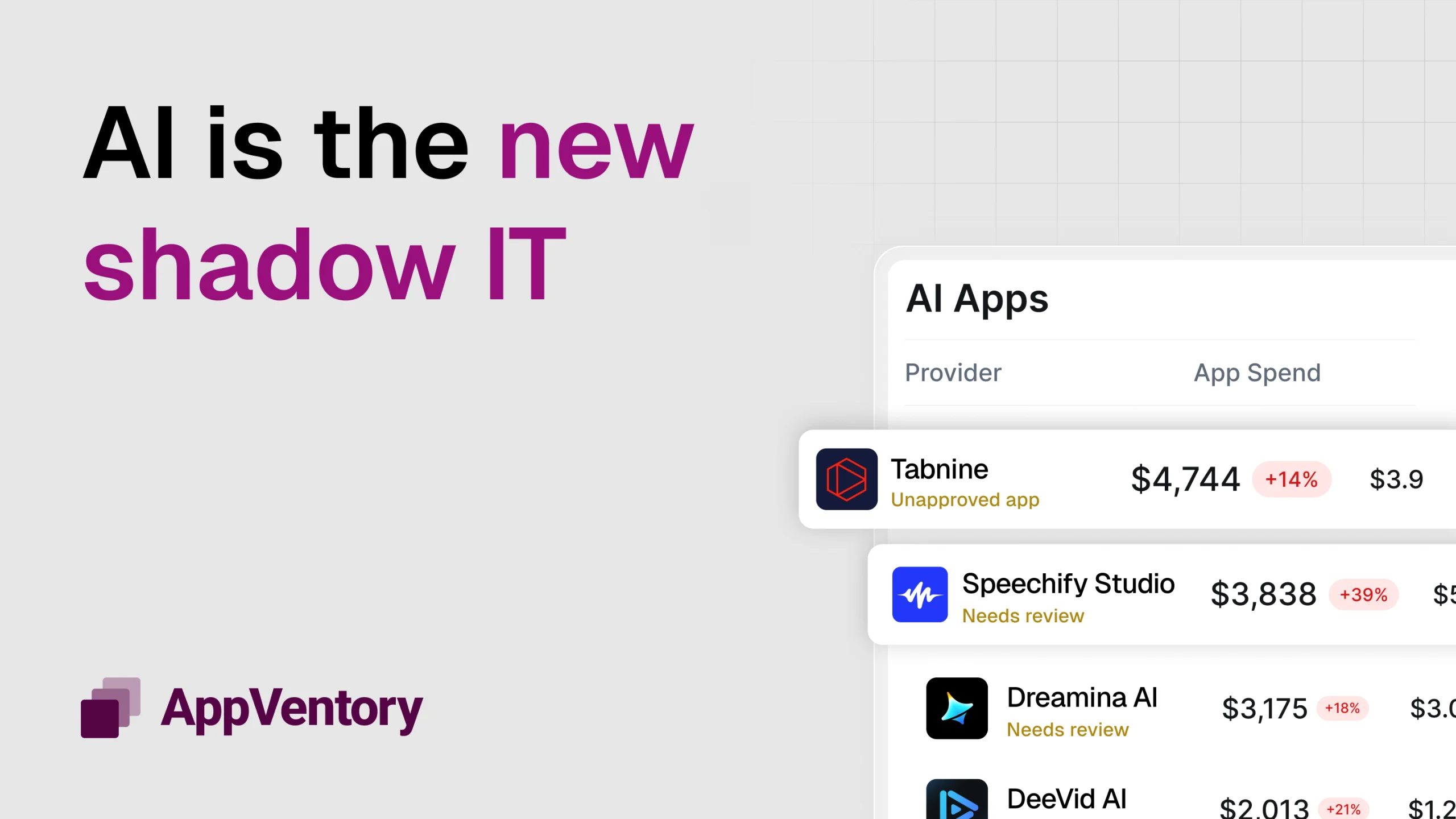
Shadow IT is becoming a growing problem for businesses with the rapid introduction of AI, with around 57% of IT leaders reporting it’s a concern. Without knowing what tools teams are signing up for, it’s easy to spiral into software regret and end up with a stack that doesn’t integrate as well as it could.
2. Shiny object syndrome
There are 30,800+ SaaS companies globally, and new software launches every week, each promising to be “the one” that revolutionizes productivity.
The problem is that teams jump on these trends without checking whether they integrate with existing systems or duplicate capabilities they already have.
3. Poor adoption
Even the best software delivers no value if it’s not used. When teams aren’t trained or the tool doesn’t fit existing workflows, adoption lags, and licenses gather digital dust.
4. Redundancy
It’s surprisingly common for different departments to buy tools that do nearly the same thing. Think multiple chat platforms, project management apps, or data dashboards, all solving the same problem, but none fully adopted company-wide.
5. Missed renewals
Almost 90% of software contracts now include auto-renewal clauses, but they often go unnoticed until the invoice hits. By then, you’re locked in for another year of paying for a tool that no one actually uses.

The Real Cost of Software Regret
Business software investment regret is a silent killer for growing businesses, and the financial impact is only part of the story. Every redundant or underused tool comes with a hidden cost:
-
Lost budget on licenses that deliver little or no return.
-
Fragmented data makes reporting and decision-making harder.
-
Wasted onboarding time for tools that never gain traction.
-
Lower employee trust in leadership’s technology decisions.
Imagine a growing business that uses three different project management tools across departments. Marketing prefers one, operations uses another, and product has their own legacy system. Each team believes it’s “essential.”
By the end of the year, the company spends thousands maintaining overlapping tools, yet still struggles with visibility, duplicate work, and inconsistent reporting.
That wasted spend could have funded innovation, training, or team growth instead of sitting in unused software.
When you multiply that across the whole app stack, the cost of software regret can easily reach tens or even hundreds of thousands per year, and most businesses don’t realise it’s happening until budgets tighten.
How to Avoid Software Regret: Smarter Investment Decisions
Avoiding software regret isn’t about buying less, it’s about buying smarter. When every purchase is guided by data, accountability, and real-world usage insights, your tech stack becomes a growth engine rather than a cost center. So, here’s how to take a smarter approach:
1. Start with visibility
You can’t manage what you can’t see. Begin by auditing your entire tech stack — every app, license, and renewal date. This creates a single source of truth and immediately highlights redundant or forgotten tools.
2. Assess usage and satisfaction
Before each renewal, gather feedback from the teams who actually use the software. Low engagement or recurring complaints signal poor fit and an opportunity to reallocate budget.
3. Evaluate overlap
Compare tools by their core functionality. If two apps cover 80% of the same use case, consolidate. Simplifying your stack not only saves money but also improves adoption and integration.
Related: How Much Outdated Tech Is Costing Your Firm
4. Centralize ownership
Assign an internal owner for every app. This person ensures compliance, monitors usage, and becomes the point of contact for support or renewals. With clear accountability, fewer tools fall through the cracks.
5. Review Software ROI regularly
Software value changes over time. Build quarterly reviews into your process to track spend versus usage and outcomes. Use this data to guide renewals, upgrades, or sunsetting decisions.
When these steps are followed consistently, software decisions stop being reactive and start becoming strategic, setting your business up for better software ROI and less nasty surprises at renewal time.
Related: The Must-Have Software & Office Equipment Upgrades To Schedule in Your Technology Roadmap
How AppVentory Prevents Software Regret
AppVentory gives you complete visibility and control over your software ecosystem, turning uncertainty into insight and software regret into ROI. Here’s how our platform helps you make smarter business software investments:
-
App Discovery
Automatically identifies every tool in use — even those added outside official channels — so nothing slips under the radar.
-
Renewal Tracking
Tracks all renewal dates in one place and alerts you before contracts auto-renew, giving you time to evaluate ROI and renegotiate terms.
-
Overlap Detection
Flags duplicate or overlapping tools before renewal, helping you consolidate licenses and eliminate waste.
-
Usage Insights
AppVentory surveys allow you to get real user feedback on usage & satisfaction, so you can pinpoint exactly what’s working and what needs improvement at the click of a button.
-
Centralized Visibility
Provides a single dashboard for IT, finance, and leadership to align on spend, usage, and strategy.
-
Actionable Intelligence
Transforms raw data into recommendations, empowering smarter renewals, optimized spend, and better software ROI.
With AppVentory, every software decision becomes informed, strategic, and measurable, so you never pay for tools that don’t perform.
Invest Smarter with AppVentory
Software regret isn’t inevitable, it’s just a visibility problem. When you don’t have a clear view of what you’ve bought, how it’s used, or what it delivers, regret is almost guaranteed.
AppVentory changes that. By giving your business a single source of truth for every app, license, and renewal, AppVentory helps you turn software management into a strategic advantage. You’ll see exactly where spend creates value, where waste hides, and where smarter investment can fuel growth.
Don’t become part of the 57% of businesses that regret their software purchases. Take control of your tech stack, and every renewal in it. Watch a free demo of AppVentory and start investing smarter today.