Software reselling and pass-through revenue should be one of the most reliable profit centers in a tech advisory business. In theory, recurring subscriptions provide predictable margins, steady cash flow, and long-term client retention.
But in practice, many advisory firms see those margins quietly eroded, even while topline software revenue appears healthy.
The reason isn’t weak sales or poor vendor partnerships. It’s something far more subtle: operational breakdowns that go unnoticed inside everyday workflows.
What makes this especially dangerous is that margin loss rarely shows up as a single “problem” to fix. It hides in reconciliation mismatches, billing corrections, pricing inconsistencies, and reactive negotiations that only occur after revenue has already leaked.
So, let’s break down the five most common operational breakdowns that reduce software reselling margins, why traditional tracking tools fail to detect them early, and how advisors can replace reactive damage control with proactive margin protection systems.
The Top 5 Operational Breakdowns That Reduce Software Reselling Profit
Software margins almost never collapse from a single mistake. They deteriorate slowly through everyday operational breakdowns that compound quietly across client portfolios.
1. Unmanaged Software Renewals
Auto-renewals remain the single largest driver of uncontrolled margin loss. Across many advisory practices, renewal dates are still tracked manually in spreadsheets, calendars, or inbox alerts. However, that outdated approach fails at scale.
Without automated tracking:
-
Renewal windows are missed.
-
Contract uplifts go unnoticed until invoices hit.
-
Tech advisors lose time to renegotiate terms or right-size seat counts.
When renewals trigger before review cycles happen, software resellers are forced into one of two margin-damaging choices:
- Absorb the price increase themselves.
- Attempt late-stage client repricing that creates billing friction and trust erosion.
2. Unused or Underutilized Licences
License waste is consistently one of the largest silent profit drains inside client accounts. It arises naturally during:
-
Hiring surges where seats are added rapidly.
-
Project ramps that overallocate short-term capacity.
-
Role changes and staff turnover where user access is never revoked.
Because usage reporting lives inside individual vendor dashboards, advisors rarely obtain a consolidated view of client consumption patterns. Even where dashboards are reviewed individually, behavioral patterns across platforms remain invisible.
As a result, overprovisioned seats persist month after month, waste is billed directly through to clients, and advisors inherit inefficiency without having the data needed to fix this software reselling margin leak.
3. Shadow IT That Circumvents the Stack
Shadow IT continues to expand within SMB and mid-market client environments as teams seek speed and autonomy.
Departments frequently adopt tools on company cards, through “free trial” conversions, and via short-term projects that quietly become permanent subscriptions.
The problem is advisors typically don’t discover these tools until billing discrepancies surface or platform overlaps emerge during renewal audits.
By then, real consolidation opportunities have already been lost, clients have embedded workflows across unmanaged platforms, and your advisory influence over the stack diminishes.
Related: [Free Checklist] 10 steps to scope app advisory opportunities faster
4. Inconsistent Pricing and Missed Vendor Adjustments
Vendor pricing today is no longer static. Across renewals, you’ll routinely encounter:
-
Tier reclassifications.
-
“Bundled feature” uplifts.
-
New AI add-ons embedded into pricing.
-
Escalation clauses activating without manual notice.
Without a pricing history system tied to contracts and client billing workflows, advisors struggle to track when increases occur or pass legitimate uplifts through smoothly.
This creates two software reselling margin risks:
- Silent compression: Price changes absorbed internally lower profit before anyone notices.
- Relationship friction: Delayed repricing forces uncomfortable client conversations months after increases take effect.
5. Vendor Creep & Tool Sprawl
As portfolios grow, so does platform sprawl. Each department selects tools independently, advisors support increasing long tails of platforms, and consolidation cycles don’t occur regularly enough to contain expansion.
As an advisor, you expend more labor per client while maintaining flat margins — slowly converting recurring revenue into margin-neutral workload.
Meanwhile, your pricing leverage weakens, renewal workloads balloon, and platform overlap multiplies undetected. So, it’s not just you taking the hit, it’s your clients as well.
Related: The Ultimate Tech Advisory Guide to Delivering Services at Scale

Why Traditional Spreadsheets Miss the Early Warning Signals
Spreadsheets remain the default tracking tool for many advisory practices because they’re familiar and flexible. But margin leakage on software reselling doesn’t happen due to a lack of static data — it happens because critical behavioral changes go undetected until they’ve already impacted profit.
Spreadsheets capture what was billed, but they do not capture what is happening now. That distinction is where margin control breaks down.
Unlike purpose-built systems, spreadsheets:
-
Do not update dynamically as renewals shift or contracts change.
-
Cannot reconcile licence usage data against billed seat counts.
-
Lack automated pricing tracking across vendors and clients.
-
Provide no alerts or workflow triggers when risk emerges.
Instead, you’re reliant on manual updates, calendar reminders, and quarterly reconciliation routines, which means problems are discovered only when invoices are already posted.
Why Manual Tracking Creates Software Reselling Margin Blindness
Even well-maintained spreadsheets fail for three operational reasons:
1. Dependency on Manual Data Entry
Spreadsheets require humans to update:
-
Seat counts after staffing changes.
-
Renewal dates after contract amendments.
-
Price tiers after vendor uplifts.
About 88% of spreadsheets contain errors, and 40% are caused by human mistakes. Any missed update introduces errors, and at portfolio scale, missed updates are inevitable.
Related: How to Optimize Tech Advisory Services in 3 Simple Steps
2. Lack of Cross-System Reconciliation
Spreadsheets live separately from vendor licence portals, accounting systems, and client billing platforms. So, there’s no automated matching process between what the software reseller pays vendors, what the client is billed, and what users actively consume.
Without reconciliation, overbilling and under-collection risks remain hidden until manual tech audits catch them months later.
3. Static Data vs Behavioral Insight
Spreadsheets store values; they don’t interpret behavior patterns. They cannot:
-
Detect gradual seat creep over time.
-
Flag declining adoption across licences.
-
Identify functional overlap across apps.
They also don’t show how spending behaves across the client portfolio, which means systemic inefficiencies remain invisible. Advisors become reactive problem-solvers rather than proactive margin managers.
How AppVentory Gives Advisors Proactive Margin Protection on Software Reselling
Software reselling margin leakage only persists when advisors are limited to disconnected tools and manual tracking. When discovery, usage monitoring, renewal forecasting, pricing oversight, and charge-back workflows operate together, reselling profit becomes a managed outcome rather than a hopeful assumption.
This is the operating shift platforms like AppVentory enable — replacing spreadsheet reconciliation with continuous margin governance across the full client portfolio.
1. Automated Renewal Calendar & Alerts
With AppVentory, every client renewal across every vendor is surfaced months in advance, not days before invoices hit.
Automated alerts allow advisors to:
-
Review seat utilization before contract lock-in.
-
Negotiate pricing increases proactively rather than retroactively.
-
Bundle or consolidate subscriptions ahead of renewal cycles.
-
Plan client repricing discussions without urgency pressure.
This level of software renewal forecasting turns margin defense from deadline reaction into controlled negotiation management.
2. Real-Time Licence Usage Visibility
One of the fastest wins for software reselling margin protection is reclaiming wasted capacity. But only when you can see usage clearly across all tech advisory clients and platforms.
AppVentory centralizes consumption data into a single, live dashboard, enabling advisors to:
-
Flag dormant or low-use seats.
-
Right-size licences prior to renewal.
-
Validate provisioning in real time during staff changes.
Licences become adjustable resources instead of fixed liabilities, allowing waste elimination to translate directly into improved software reselling margins and strengthened client trust.
3. Shadow IT & New App Detection
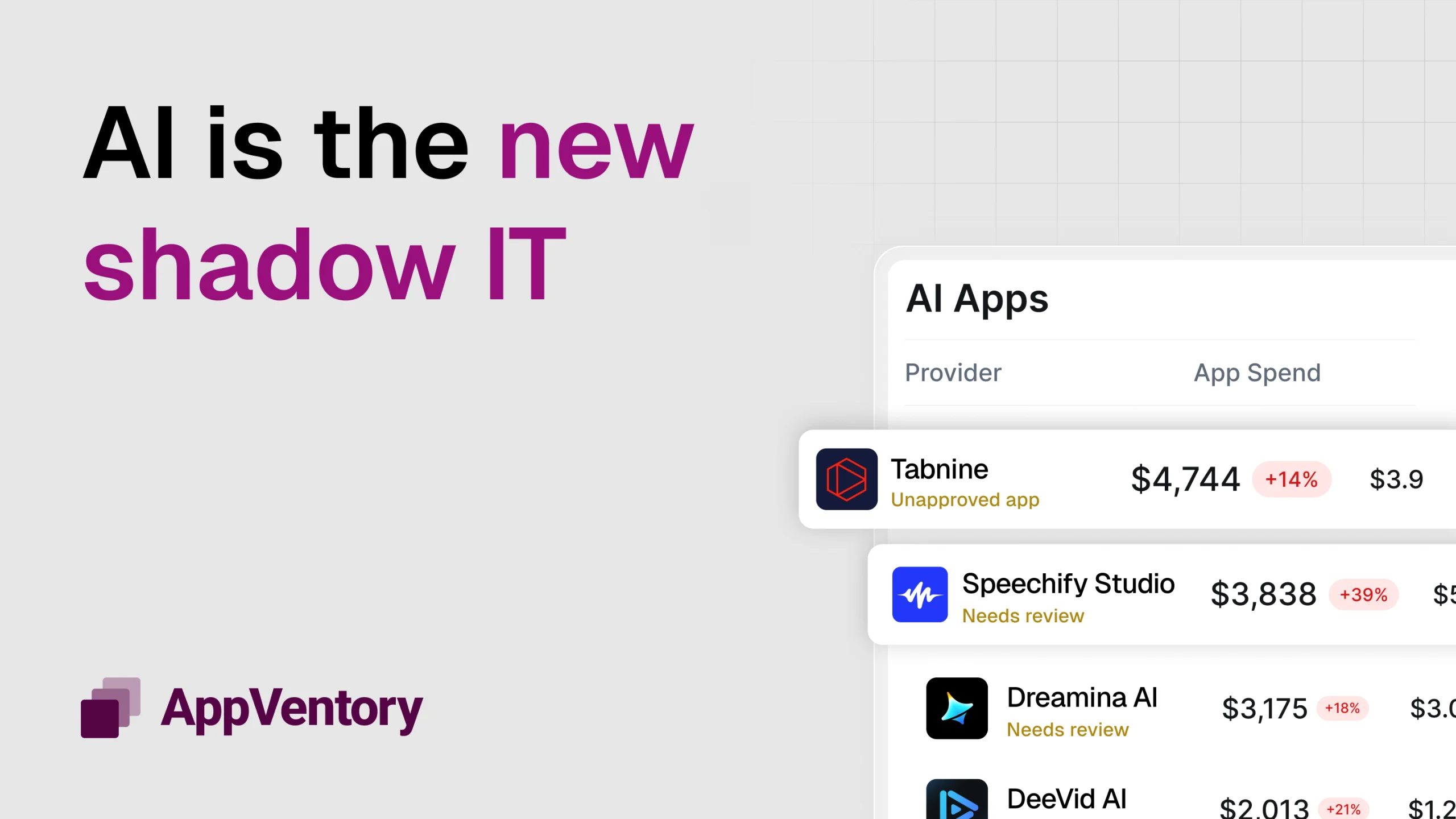
Shadow IT erodes both margin and strategic influence. Fortunately, AppVentory detects when new tools appear across client stacks that fall outside of the managed portfolio, allowing advisors to:
-
Assess risk and cost exposure immediately.
-
Replace duplicate tools with standardized options.
-
Reclaim control over resellable software categories.
Instead of discovering fragmented spend during reconciliations, you gain continuous discovery, preserving consolidation opportunities and protecting standardization-driven margin models.
4. Pricing History Tracking
Vendor pricing no longer behaves predictably, especially with bundling, AI add-ons, and tier reclassifications.
To help advisors keep ahead of the unpredictability, AppVentory tracks:
-
Contract pricing changes.
-
Annual uplifts.
-
Escalation clauses across multi-year agreements.
This creates pricing continuity across portfolios so software resellers can pass cost increases cleanly through to client contracts, protect agreed markup tiers, and maintain consistent profit structures across managed-service agreements.
5. Cross-Client Visibility to Spot Vendor Creep
When tech advisors only view individual stacks, systemic inefficiencies remain invisible. AppVentory provides portfolio-wide oversight, enabling you to:
-
Detect platform overlap across clients.
-
Identify consolidation opportunities with preferred vendors.
-
Reduce long-tail vendor relationships that dilute negotiation leverage and support efficiency.
6. Charge-Back Safeguards: Stopping the Most Costly Margin Leak of All
One of the most damaging (and most commonly missed) areas of margin leakage occurs when advisors pay vendors on behalf of their clients, but fail to charge those costs back accurately or at all.
This problem arises when:
-
Client invoicing workflows aren’t directly linked to vendor billing.
-
Software subscriptions are absorbed temporarily “until contract updates”.
-
Manual reconciliation gets delayed or overlooked during busy billing cycles.
Over time, you end up paying thousands in software costs that are never recovered, undercharging clients due to outdated pricing records, and absorbing vendor uplifts that should have been passed through.
The issue in software reselling isn’t operational oversight; it’s the lack of a structured margin-tracking layer that links vendor invoices, client usage, contract pricing, and charge-back rules.
At AppVentory, we’re actively building this capability into our platform — creating a margin management system (without processing financial transactions directly).
This system enables advisors to:
-
Validate which subscriptions should be charged to which clients.
-
Confirm that charge-backs occur correctly and consistently.
-
Detect missing or under-applied bill-through before any software reselling margin loss locks in.
-
Maintain reviewable billing relationships across the full portfolio.
Instead of discovering underbilling months later, if at all, software resellers gain proactive safeguards that transform pass-through revenue into measured, protected profit.
Simple Workflows Advisors Can Add Immediately to Boost Margin
Margin protection doesn’t require a full operational overhaul. You can begin reclaiming profitability quickly by introducing a handful of simple, repeatable workflows that replace reactive clean-ups with continuous operational discipline.
These routines fit easily into existing service management rhythms and are designed to scale as client portfolios grow.
1. Monthly Margin-Check Workflow
This is the foundational safeguard; a lightweight monthly routine that prevents unused licensing from compounding into permanent waste.
Workflow:
-
Review automated licence-usage data within AppVentory.
-
Flag seats with 30 days of inactivity.
-
Validate user lists with client contacts.
-
Remove unnecessary licences or reassign seats before the next billing cycle.
-
Tag any upcoming renewals for additional optimization review.
Results:
-
Immediate cost reclamation.
-
Improved utilization ratios.
-
Cleaner client reporting conversations.
Even moderate optimization across client portfolios can translate into meaningful recurring software reselling margin recovery.
2. Quarterly Stack Consolidation Review
Every quarter, step out of the individual-client view and inspect your portfolio as a whole.
Workflow:
-
Compare application usage by function across all managed accounts.
-
Identify tool overlap patterns (e.g., multiple project managers, survey tools, file platforms).
-
Select consolidation candidates where preferred vendors already exist.
-
Roll standardization proposals into upcoming client strategy reviews.
Results:
-
Reduced vendor sprawl.
-
Improved software adoption per platform.
-
Stronger vendor negotiation leverage.
Consolidation doesn’t just cut costs; it also reduces administrative effort, supports staff training consistency, and stabilises tech advisory service margins in the long term.
3. Pricing Optimization Routine
Pricing discipline protects software reselling margins faster than new sales growth ever can.
Workflow:
-
Review AppVentory pricing-change alerts across the portfolio.
-
Identify vendor uplifts or tier migrations.
-
Cross-check client billing terms against new contract pricing.
-
Adjust managed-service agreements before renewals lock in.
-
Document margin changes by vendor and client segment.
Results:
-
Consistent markup preservation.
-
Predictable profit models instead of reactive repricing.
-
Fewer uncomfortable client billing conversations.
This shift allows you to lead pricing conversations instead of defending them.
4. Shadow IT Sweep
Shadow IT must be treated as an ongoing governance responsibility, not a sporadic compliance exercise.
Workflow:
-
Run a monthly scan for new applications detected outside the approved stack.
-
Categorize new tools to "Approve" (uncontested value add), "Replace" (functionality overlaps with existing standards), or "Remove" (unjustified spend).
-
Update governance documentation accordingly.
Results:
-
Reduced security and compliance risk.
-
Improved consolidation outcomes.
-
Recaptured control over reselling and support opportunities.
5. Renewal Negotiation Playbook
Renewal negotiation shifts from panic-driven reaction to portfolio-level strategic positioning.
Workflow:
-
Review renewal forecasts 90–120 days in advance via AppVentory.
-
Pair seat utilization and contract history in renegotiation talks.
-
Leverage portfolio benchmarks to strengthen negotiating positions.
-
Adjust client billing and margin documentation before invoices change.
-
Capture renegotiation outcomes for internal benchmarks.
Results:
-
Predictable renewal cycles.
-
Improved discounts and term flexibility.
-
Reduced pricing volatility across portfolios.
Negotiation becomes a prepared discipline rather than a last-minute firefight.
Case Study: The Hidden $4,200 Margin Leak
This all sounds great in theory, but let’s look at the real-world applications with a case study from one of our clients.
A mid-sized advisory firm managing approximately 40 SMB clients began auditing its software portfolio after noticing repeated invoice discrepancies and margin fluctuations during quarterly reconciliations.
Using AppVentory’s consolidated visibility platform, the firm conducted its first full margin review across a single key client account.
What AppVentory Flagged
-
37 unused licences across three platforms: $2,700 recovered annually
Licence utilization reporting revealed widespread seat overprovisioning caused by staff turnover and project ramp-downs that were never followed by access reviews.
-
A 12% vendor price increase missed during renewal: $900 in direct margin loss identified
An escalation clause had been triggered at renewal, raising cost-per-seat without any visibility until client billing was reconciled months later, at which point the software reseller had already absorbed the uplift instead of passing it through contractually.
-
Two shadow IT tools duplicating existing systems: $600 in unnecessary annual spend eliminated
Cross-stack detection surfaced subscriptions acquired directly by departmental managers that duplicated functionality already covered by the managed stack.
Actions Taken
Within one week, the advisor:
-
Decommissioned unused licences and immediately reduced vendor charges.
-
Updated client pricing structures to reflect accurate seat requirements and current vendor costs.
-
Created a plan to consolidate duplicated platforms to restore stack standardisation.
-
Renegotiated the upcoming renewal using full pricing history and utilization metrics, securing a 9% discount for the next contract cycle.
Financial Outcome
$4,200 in annual margin recovered from a single client account. And perhaps more importantly:
-
The firm implemented monthly margin governance workflows across its full portfolio.
-
Software billing accuracy improved.
-
Renewal preparation shifted from crisis response to structured negotiation.
The tech discovery exercise demonstrated what many software resellers underestimate: Margin leakage rarely feels like a huge problem – until it’s measured properly.
Become a Margin Guardian
In an environment where renewals inflate unpredictably, stacks sprawl across departments, and pricing shifts regularly, clients are no longer looking simply for access to software. They rely on advisors to provide financial stewardship across their technology ecosystem.
Software margin leakage isn’t an unavoidable cost of growth. It’s the symptom of fragmented systems and reactive processes — both of which can be replaced with disciplined governance.
When renewals are forecasted, licences are governed, pricing is tracked, and charge-backs are safeguarded, software reselling finally becomes what it should be: A scalable, predictable, high-margin revenue stream, not a fragile administrative burden.
Explore how AppVentory helps advisors stabilize recurring revenue and deliver higher-value guidance with less manual work.