Ask almost any accountant or bookkeeper whether they’d like a high-value advisory line in their practice, and the answer is yes. Everyone knows that’s where the margin is. That’s where clients happily pay, because you’re solving a problem they can’t solve themselves.
So why don’t more firms have one?
It’s almost never the value. It’s the setup. The assumption is that a new service line means new people, new processes, and time you simply don’t have. You’re already time-poor. Adding a practice area sounds like adding a headcount — and that’s where the idea quietly dies.
Here’s the shift worth making: building an advisory line around your clients’ software and AI spend has become one of the easiest service lines to stand up — and one of the most lucrative. This post walks through what the service looks like, how to scope and price it, and why it no longer requires the resources you’d assume.
Start With the Opportunity, Not the Cleanup
You already see it in every client’s books: Xero, the CRM, the project tool, and the four apps nobody remembers signing up for but the company still pays for. Subscriptions stacking up, contracts nobody reviews, spend that only ever goes one direction.
What almost no firm does is treat that spend as something they can manage, standardise, and charge for.
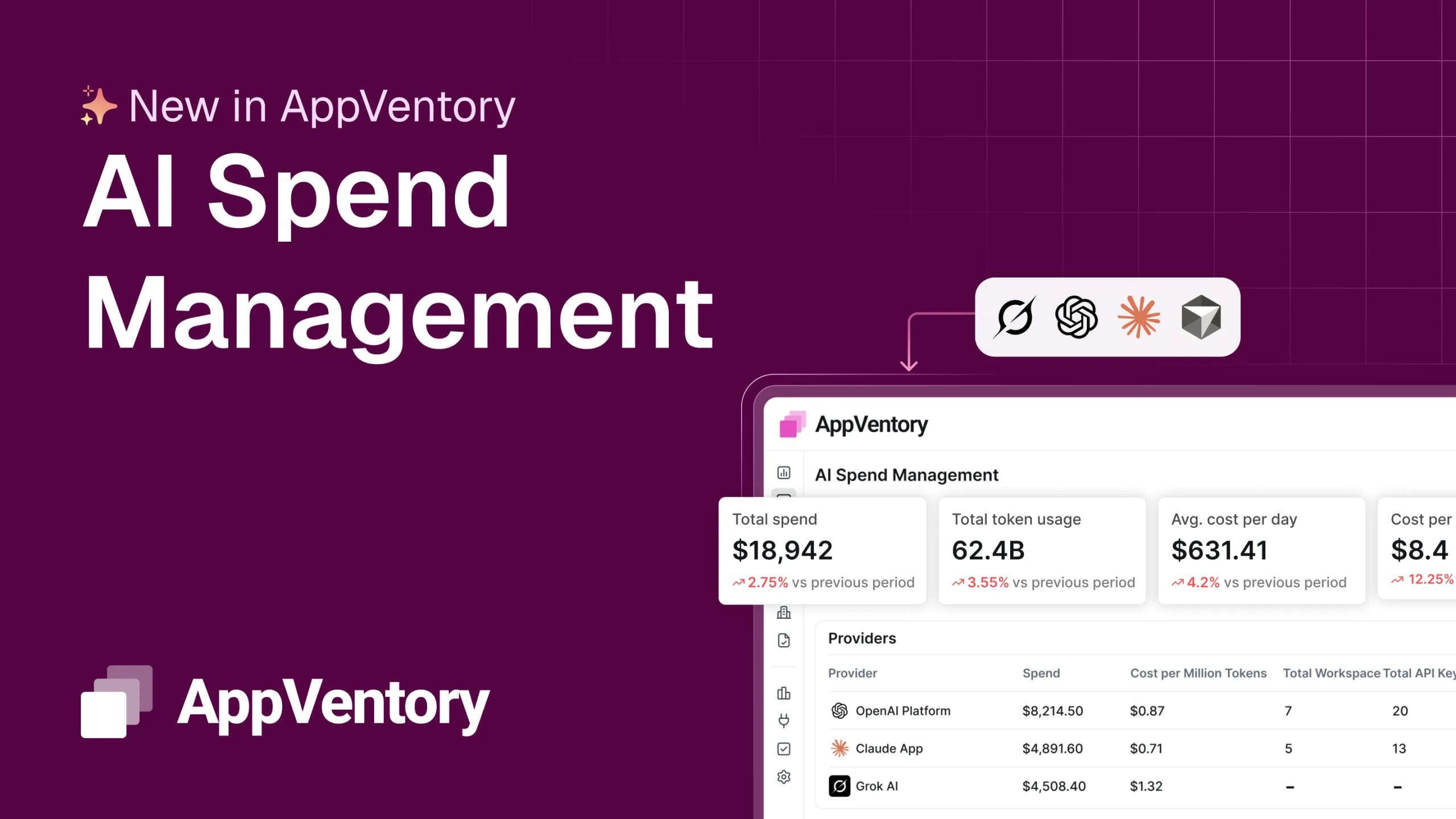
That’s the gap — and it’s widening. Software and AI spend is becoming one of the largest cost categories a business carries, heading toward payroll-sized in the near future. Your clients don’t have the time or the expertise to get it under control. You already have the data in front of you. The only thing missing is a way to turn that visibility into a productised service.
The important reframe: this isn’t a cost-cutting favour. It’s a new advisory line. Cost savings are how you prove the value quickly — but the reason clients stay, and the reason you can bill it monthly, is that you’re building and running something they can’t run themselves.
Why This Is an Advisory Service, Not an Add-On
The instinct is to treat software cleanup as a favour — something you mention in passing during a quarterly call. Don’t. Bundling it into compliance work trains clients to see it as free.
Software and AI spend management is a value-added service: it requires judgment about what a business actually needs, it produces measurable results, and it recurs. Renewals come due every month, new tools get added constantly, and headcount changes shift licence needs. This isn’t a one-time audit; it’s an ongoing function — which is exactly what makes it billable on a retainer rather than a fixed fee.
The framing you can use with your clients: “Software and AI is becoming one of your biggest line items. I can build you a service that keeps it under control, keeps you compliant, standardises what your team actually uses, and turns the spend you’re already carrying into something managed properly. That’s worth more than I’m going to charge for it.”
The Four Pillars of the Service
A clean way to scope the offering — and to explain it to clients — is around four outcomes.
Build a new advisory service line.
Software and AI spend is a fast-growing, largely untapped category, and productising it gives your practice a recurring, defensible line that compounds with every client you add. Surfacing unused licences, duplicate tools, and overlapping functionality is how you put a hard number on the value immediately — and catching renewals before they auto-charge is how clients feel it the first time you save them from a surprise bill. Savings and renewals aren’t the pitch; they’re the proof that the service pays for itself.
Compliance & Security.
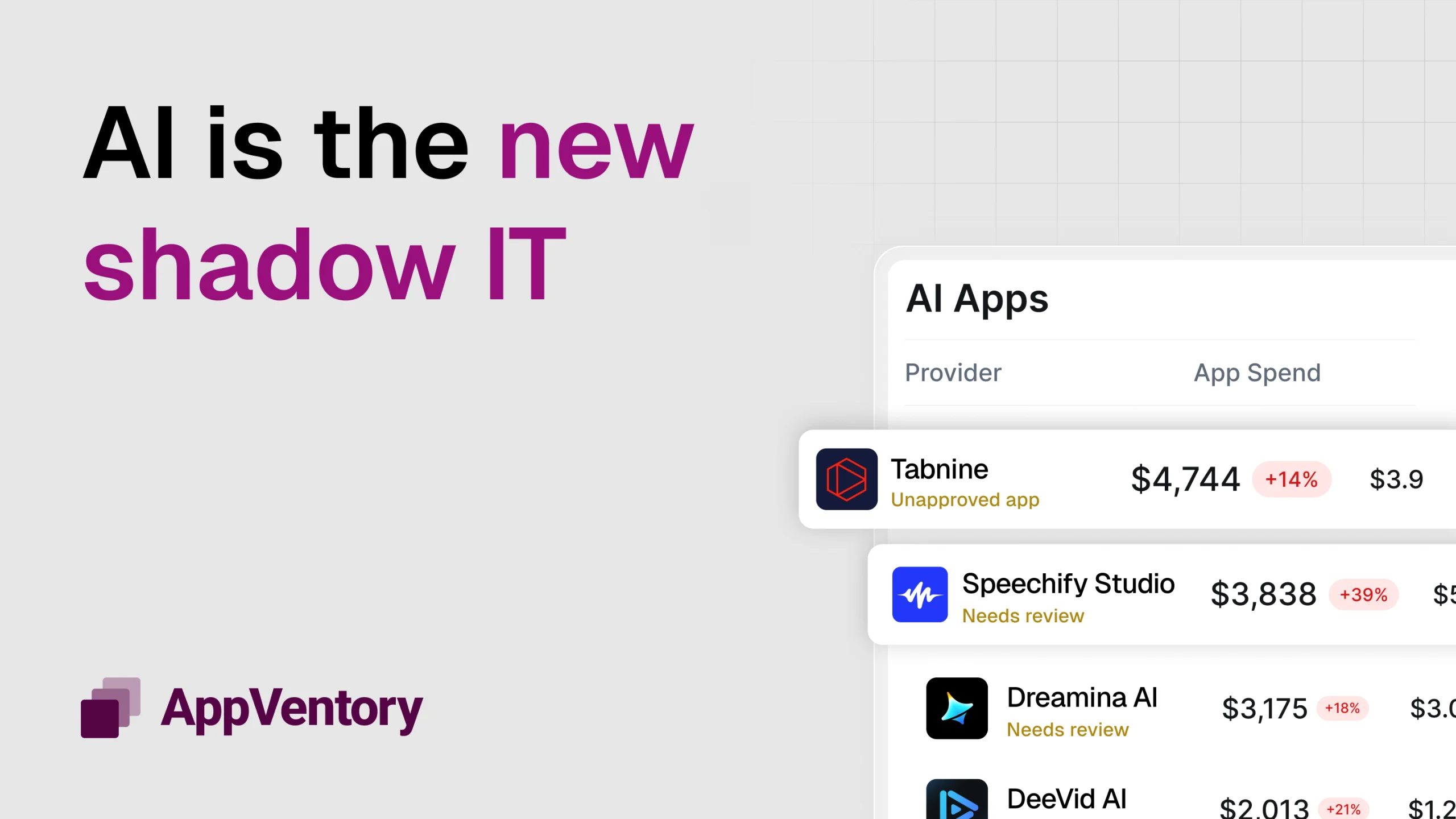
Data and software compliance is becoming critical, and it’s increasingly your client’s number-one exposure. Shadow IT, orphaned accounts after offboarding, and data sitting in tools nobody’s tracking are real risk. Keeping a clean inventory of what’s in use and who has access — and flagging where the stack falls short of the regulations your client operates under — is basic operational hygiene they can’t easily do themselves. Protecting the client’s business is the priority, and it’s a reason they can’t take this in-house.
Stack Standardisation & Digitalisation.
Move from defence to offence. When a client is running ten different tools that do the same job across their portfolio, you’re the one who can see it — and fix it. Standardise the stack, retire what’s redundant, and recommend tools that fit how the business actually operates. For clients who aren’t tech-savvy, this becomes a genuine digital-transformation journey — the Making-Tax-Digital-style modernisation they know they need but haven’t had anyone to lead. This is where you stop being a cost-cutter and start being a strategic advisor.
Recharge.
Recharging client software spend is fiddly and easy to get wrong — which is exactly why clients value someone managing it cleanly. Handled properly, it turns a messy, manual reconciliation into a managed part of the service.
How to Package and Price It
Don’t sell ‘software audits.’ Sell an ongoing tier.
Start with a discovery engagement — a one-time fee to map the full stack, quantify current spend, and deliver a findings report. It’s low-risk for the client, almost always pays for itself in what it surfaces, and gives you the data to scope the retainer.
Then convert to a monthly retainer for ongoing management: compliance monitoring, stack standardisation, renewal tracking, recharge, and a standing inventory. Price it as a percentage of spend under management, a flat tier based on stack size, or a share of realised savings — whichever your clients respond to. The recurring revenue is the point. One discovery project is a transaction; the retainer is a practice.
A simple rollout sequence:
- Run the discovery engagement on your three or four best-fit clients first.
- Use what you find as proof points.
- Roll the offer out across your base with a clear before/after story.
- Make it a standard part of onboarding for every new client.
The Real Blocker — and How to Clear It
Here’s the honest objection, and it isn’t about value. It’s this: a new service line means new hires, and I don’t have the time or the people.
That used to be true. Doing this manually doesn’t scale — logging into every vendor portal, chasing renewal dates across email, reconciling licences against actual usage is hours per client per month. The economics only worked at volume.
That’s the part that’s changed. You don’t need a team of six specialists. You need one advisor agent. You connect your systems, and it does the monitoring — pulling the inventory, tracking renewals, flagging unused licences, surfacing savings, and watching compliance — so your people spend their time on the judgment calls, not the data entry.
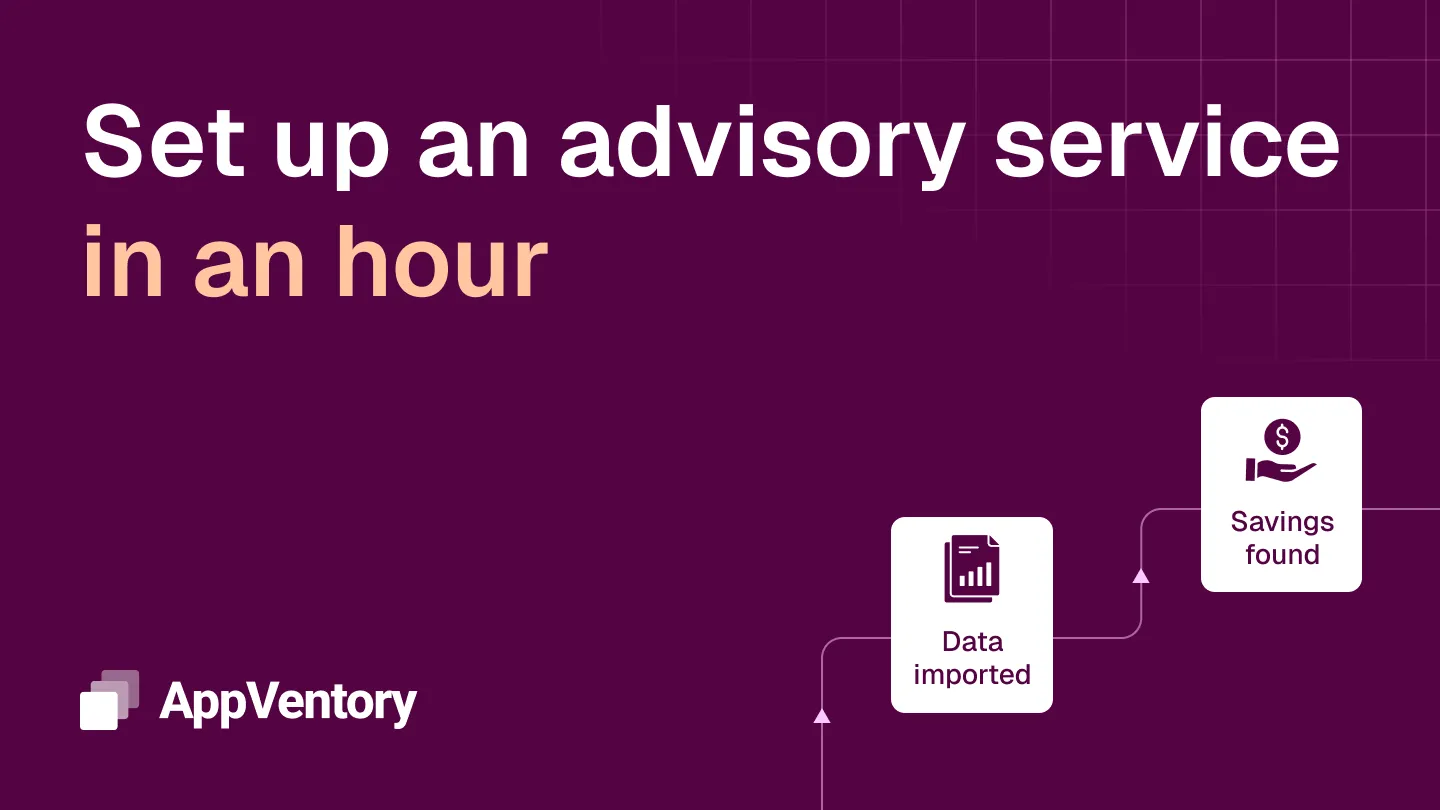
The setup takes under an hour, not a new hire. From there, a monthly investment of roughly an hour generates the service line. The agent does the monitoring; you do the advising. That’s what turns a labour-intensive favour into a high-margin practice area — one that can be more profitable than service lines you’ve run for years.
Where to Start
You don’t need to build the whole practice this quarter. Pick your three best clients, run a discovery engagement, and put a real number on what their software and AI spend is costing them. That number is your entire sales pitch. Once a client sees it, the retainer sells itself — and you’ve added a recurring, defensible line to your firm that compounds with every client you bring on.
Everyone wants advisory. Setting it up has always been the hard part. It isn’t anymore.
AppVentory helps accountants, bookkeepers, and MSPs turn client software and AI spend into a billable advisory service — with an advisor agent that manages the full stack automatically, set up in under an hour. [Book a demo] to see how quickly you could stand up your first advisory client.